
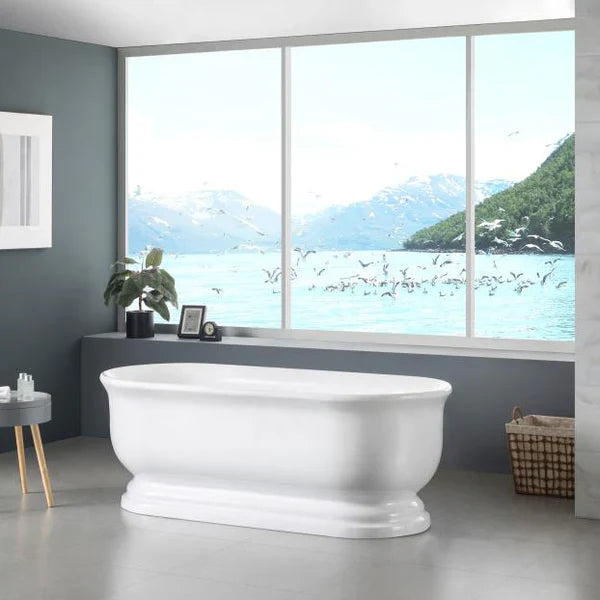
Embarking on the quest for the perfect bathtub isn't just about picking out a pretty fixture; it's about curating an experience. It’s about transforming a mundane bathroom into a sanctuary, a place where the stresses of the day melt away. But before you get lost in dreams of fragrant bubbles and warm water, there's a critical decision to make that will dictate not only the look and feel of your tub but also its longevity, your comfort, and even your wallet: the material.
Think of it like choosing the foundation of a magnificent house. The exterior might be stunning, but if the foundation is weak, the entire structure is compromised. Similarly, selecting the right material for your bathtub influences everything from how long it retains heat to how much effort you'll expend cleaning it. This isn't just a utilitarian purchase; it's an investment in your personal well-being and the overall functionality of your bathroom.
Why Your Bathtub Material Matters More Than You Think
You might be thinking, "A tub's a tub, right?" But the material is the engine of your bathing experience.
Durability
Imagine investing in a beautiful tub, only to find it chipped, cracked, or stained within a few years. Heartbreaking, isn't it? Durability impacts not only appearance but also the overall lifespan of your tub. Some materials are inherently more scratch-resistant, while others require gentler care. A highly durable tub can last decades, especially when supported by a solid warranty, giving you peace of mind during renovations and long-term ownership.
Heat Retention
There's nothing quite as disappointing as settling into a wonderfully warm bath, only for the water to cool off frustratingly quickly. The ability of a material to retain heat is a critical factor for anyone who enjoys a long, leisurely soak. Some materials act like natural insulators, keeping your water warmer for extended periods, allowing you to truly unwind without constantly topping up with hot water. Others, however, are rapid heat conductors, swiftly drawing the warmth out of your bathwater and leaving you shivering sooner than you'd like. If your ideal bath involves lingering, this factor should be high on your priority list.
Maintenance
Let's be honest, no one enjoys scrubbing a bathtub. The ease of cleaning often comes down to the material's surface properties. Some materials boast non-porous, smooth surfaces that naturally repel dirt and grime, making routine cleaning a quick wipe-down. Others, with their porous textures or delicate finishes, might demand specialised cleaners, more vigorous scrubbing, or even susceptibility to staining. Consider your lifestyle: are you someone who enjoys a meticulous cleaning routine, or do you prefer low-maintenance solutions that free up your precious time? Your answer will heavily influence which material is right for you.
Weight & Installation
This is where the rubber meets the road, quite literally. The weight of your chosen bathtub material has significant implications for installation. A lightweight acrylic tub can often be easily manoeuvred and installed by a couple of people, potentially saving on labour costs. A heavy cast iron or natural stone tub, however, might require structural reinforcement of your bathroom floor and a team of professional installers, significantly increasing the overall project cost and complexity. Don't underestimate this factor, especially if your bathroom is on an upper floor or if you're dealing with an older home with less robust joists.
Cost
Of course, the price tag is always a consideration. Bathtub materials span a wide spectrum of costs, from budget-friendly options that offer great value to luxurious, high-end choices that are an investment. It's not just the initial purchase price of the tub itself; remember to factor in installation costs, potential structural modifications, and long-term maintenance. A seemingly inexpensive tub might have hidden costs if it's difficult to install or prone to damage. Conversely, a higher upfront cost for a durable, low-maintenance material could save you money and headaches in the long run. Define your budget early and stick to it, but also understand the value proposition of each material.
Aesthetics
Beyond all the practicalities, a bathtub is a focal point, a statement piece in your bathroom. The material plays a huge role in its visual appeal and how it integrates with your overall design aesthetic. Do you envision a sleek, modern look, a rustic farmhouse charm, a classic vintage feel, or an opulent spa-like retreat? Each material carries its own distinct visual signature, from the high-gloss shine of acrylic to the raw, earthy texture of natural stone, the timeless elegance of cast iron, or the warm glow of copper. Your bathtub should not only function beautifully but also resonate with the soul of your bathroom design, enhancing its character and creating the desired ambience.
A Deep Dive into Bathtub Materials
Now that you understand the crucial role material plays, let's pull back the curtain on the most popular contenders, exploring their unique characteristics and helping you determine which one aligns best with your soaking aspirations.
-
Acrylic
If there's a material that’s the go-to for modern bathtubs, it’s acrylic. This synthetic plastic is vacuum-formed into various shapes from solid sheets, resulting in a smooth, non-porous surface.
Durability: Generally good. Acrylic tubs are resistant to chipping and cracking, thanks to their somewhat flexible nature. They can scratch, however, so avoid abrasive cleaners and rough sponges. Over time, lower-quality acrylic can sometimes yellow or dull if not properly maintained or if exposed to harsh chemicals.
Heat Retention: Moderate to good. Acrylic isn't the best insulator, but it's far from the worst. The material itself won't feel cold to the touch, and it does a decent job of holding water warmth, especially if reinforced with fibreglass or foam.
Maintenance: Very easy. The non-porous surface makes cleaning a breeze. Mild, non-abrasive cleaners and a soft cloth are usually all you need. Stains typically wipe away without much effort.
Weight & Installation: Very light. This is one of acrylic's biggest advantages. Its low weight makes it easy to transport and install, often requiring less structural support and reducing labour costs. This makes it an excellent choice for DIY enthusiasts or bathrooms on upper floors.
Cost: Budget-friendly to mid-range. Acrylic tubs offer excellent value, making them accessible to a wide range of budgets. Higher-end models with thicker acrylic and more intricate designs will naturally cost more.
Aesthetics: Highly versatile. Acrylic can be moulded into almost any shape and size, from standard alcove tubs to elaborate freestanding designs and jetted spas. It offers a clean, contemporary look with a consistent, glossy finish. Colour options are also vast.
Who it's for: The homeowner seeking a practical, affordable, and versatile tub that's easy to clean and install. It's a fantastic choice for families, renters, or those on a budget who don't want to compromise on style or basic performance.
-
Fibreglass
Often confused with acrylic, fibreglass is another lightweight, moulded plastic material. It's essentially a fibreglass mat coated with a gel coat resin. While it shares some similarities with acrylic, there are key differences.
Durability: Less durable than acrylic. Fibreglass is prone to scratching, chipping, and cracking. The gel coat surface can also become dull, porous, and discoloured over time, especially with prolonged sun exposure or harsh cleaning agents. Its flexibility, while preventing immediate shattering, also means it can feel a bit "flimsy" if not properly reinforced.
Heat Retention: Poor. Fibreglass is not a good insulator, so your bathwater will cool off relatively quickly. The material itself can also feel cold to the touch.
Maintenance: Requires care. The porous nature of the gel coat can make it susceptible to staining if spills aren't cleaned promptly. Abrasive cleaners should be avoided to prevent scratching and dulling.
Weight & Installation: Extremely light. Fibreglass is among the lightest bathtub materials, making it incredibly easy to install and ideal for situations where weight is a critical concern, like mobile homes or upper-level renovations.
Cost: Most budget-friendly. Fibreglass tubs are typically the least expensive option on the market, making them a popular choice for new constructions or renovations with very tight budgets.
Aesthetics: Basic. While available in various shapes, fibreglass tubs generally have a more utilitarian appearance. The finish is usually glossy but can lack the depth and refinement of acrylic or other materials. Colour choices are often limited to white or off-white.
Who it's for: The homeowner on a very strict budget, or for secondary bathrooms, guest bathrooms, or rental properties where maximum cost-effectiveness is the primary driver and long-term durability is a secondary concern.
-
Porcelain Enamel over Cast Iron
This is the quintessential vintage bathtub, found in many older homes and admired for its enduring quality. It consists of a heavy cast iron base coated with a layer of durable, glossy porcelain enamel.
Durability: Extremely durable. The cast iron core provides immense strength and resistance to impact. The porcelain enamel finish is very hard and resistant to scratches and chips, though a very heavy impact can chip the enamel, potentially exposing the cast iron beneath and leading to rust if not repaired. It resists fading and staining exceptionally well.
Heat Retention: Excellent. Cast iron is an incredible heat sink. While it takes longer to heat up, once warm, it retains heat exceptionally well, keeping your bathwater hotter for extended periods. The tub itself will also feel warm and luxurious.
Maintenance: Easy. The smooth, non-porous porcelain enamel surface is very easy to clean. Most dirt and grime wipe away with standard bathroom cleaners. It's highly resistant to staining.
Weight & Installation: Very heavy. This is the material's most significant drawback. Cast iron tubs are incredibly heavy, often requiring multiple people to move and a reinforced floor structure for installation. This adds to installation complexity and cost.
Cost: Mid-range to high-end. While the material itself can be costly, the longevity and classic appeal often justify the investment. Installation costs will also be higher due to the weight.
Aesthetics: Timeless and elegant. Porcelain enamel over cast iron offers a classic, glossy finish with a depth that feels substantial and luxurious. It's perfect for traditional, vintage, or farmhouse-style bathrooms, often available in clawfoot or pedestal designs.
Who it's for: The homeowner who values timeless elegance, exceptional durability, and a truly luxurious, long-lasting warm soak. Ideal for those with a robust budget and a bathroom that can support the significant weight.
-
Porcelain Enamel over Steel
Think of this as the younger, lighter cousin to the cast-iron variant. It uses a lighter gauge steel base, which is then coated with a similar vitreous porcelain enamel.
Durability: Good, but less so than cast iron. The steel core provides rigidity, and the enamel finish is hard and resistant to scratches and stains. However, the thinner steel can "flex" more than cast iron, making the enamel more susceptible to chipping if a heavy object is dropped. It’s also more prone to rust if the enamel is compromised.
Heat Retention: Moderate. Steel conducts heat more readily than cast iron, so while it won't feel cold to the touch, it won't retain the bathwater's heat as effectively as its heavier counterpart.
Maintenance: Easy. Like cast iron enamel, the smooth, non-porous surface is very easy to clean and highly resistant to staining.
Weight & Installation: Moderate. Significantly lighter than cast iron, making it easier to install. It still has more heft than acrylic or fibreglass, providing a more solid feel.
Cost: Mid-range. Often more affordable than cast iron, offering a good balance between durability, classic aesthetics, and a more manageable weight for installation.
Aesthetics: Classic and clean. It offers the same glossy, hard enamel finish as cast iron, providing a clean and traditional look. It's often found in standard alcove or drop-in configurations.
Who it's for: The homeowner looking for the classic, hard enamel finish and easy maintenance of porcelain without the extreme weight and cost of cast iron. A great choice for those who appreciate traditional aesthetics and good durability.
-
Cast Iron
While usually found with a porcelain enamel coating, it's worth noting cast iron as a raw material for its inherent properties. When we speak of "cast iron tubs," we often imply the enamelled version, but the material's density and thermal mass are what make it so exceptional.
Durability: Extremely durable. It’s practically indestructible in terms of its structural integrity. The core material is incredibly strong and long-lasting.
Heat Retention: Unrivalled. Nothing holds heat like cast iron. Once heated, it will keep your bathwater warm for an incredibly long time, making for the ultimate prolonged soak.
Maintenance: Dependent on finish. If not enamelled, raw cast iron would require different maintenance to prevent rust. However, in bathtubs, it's almost always enamelled, making it easy to clean.
Weight & Installation: Very heavy. This is its defining characteristic. Requires significant structural support and professional installation.
Cost: High. Due to the material's weight, complexity of manufacturing, and the demanding installation, cast iron tubs are a premium product.
Aesthetics: Robust and classic. The sheer presence of a cast-iron tub commands attention, conveying a sense of history, strength, and luxury. Its timeless appeal fits perfectly into traditional, industrial, or even some modern minimalist designs as a statement piece.
Who it's for: The connoisseur of classic luxury who prioritises unmatched heat retention, heirloom-level durability, and a significant aesthetic statement, and has the budget and structural capacity to accommodate it.
-
Stone Resin/Solid Surface
Stone resin bathtubs have grown significantly in popularity. Made from natural minerals blended with resins, stone resin bathtubs offer a sleek, seamless finish ideal for statement freestanding bath designs.
Durability: Very good. Solid surface is non-porous, highly resistant to scratches, chips, and stains. Minor scratches can often be buffed out, restoring the surface. It's also very durable against impact.
Heat Retention: Excellent. The dense, solid nature of stone resin means it has good thermal mass, allowing it to absorb and retain heat very effectively. The surface itself feels warm and smooth to the touch.
Maintenance: Very easy. Its non-porous surface means it’s inherently hygienic, resisting mould, mildew, and bacteria. It's also stain-resistant and easy to clean with mild, non-abrasive cleaners.
Weight & Installation: Heavy. While not as heavy as cast iron, stone resin tubs are substantial and often require professional installation and potentially some floor reinforcement, depending on the tub's size and the existing structure.
Cost: High-end. Stone resin tubs are a premium product, reflecting their sophisticated manufacturing process, luxurious feel, and excellent performance characteristics.
Aesthetics: Contemporary and luxurious. Known for its seamless, matte or semi-gloss finish, stone resin creates a sophisticated, minimalist look. It's often found in striking freestanding designs with thin edges and organic shapes. Available in a range of colours, though white and off-white are most common.
Who it's for: The homeowner seeking a modern, luxurious, and durable bathtub with excellent heat retention and a sleek, seamless aesthetic. Ideal for contemporary bathrooms and those willing to invest in a high-performance, design-forward piece.
-
Copper
Copper bathtubs are truly unique, hand-crafted fixtures that exude warmth, luxury, and character. They are often made from thick sheets of copper, hammered and shaped by skilled artisans.
Durability: Excellent. Copper is naturally antimicrobial and highly durable. It's resistant to rust and corrosion. Dents can occur with heavy impact but are often part of the material's "living finish." It develops a beautiful patina over time, which protects the surface and adds character.
Heat Retention: Excellent. Copper is an outstanding thermal conductor. While it might take a little longer to heat up the tub itself, once warm, it will radiate heat beautifully, keeping your bathwater warm for an extended period.
Maintenance: Unique. Copper requires specific care. A clear lacquer finish can prevent patina, but many prefer the natural evolving patina. Regular cleaning with mild soap and water is sufficient. Abrasive cleaners or harsh chemicals should be avoided. Occasional waxing or oiling might be recommended to maintain its lustre or protect the patina.
Weight & Installation: Moderate to heavy. While lighter than cast iron, copper tubs are still substantial and require professional handling and installation.
Cost: Very high-end. Copper tubs are among the most expensive options due to the material cost, skilled craftsmanship, and specialised manufacturing process.
Aesthetics: Rich, warm, and distinctive. Copper tubs are stunning, offering a unique blend of rustic charm and opulent luxury. The colour ranges from rosy pink to deep bronze, often with a hammered texture that catches the light beautifully. They are perfect for rustic, Tuscan, industrial, or even eclectic design themes.
Who it's for: The discerning homeowner who desires a truly unique, artisanal, and luxurious centrepiece for their bathroom. Someone who appreciates the living finish of natural materials and is prepared for the premium cost and specific maintenance.
-
Wood
Imagine soaking in a tub that feels like a natural extension of a serene forest. Wooden bathtubs, often crafted from teak, cedar, or Japanese hinoki, offer a distinctively organic and spa-like experience.
Durability: Good, with proper care. High-quality woods like teak are naturally water-resistant and durable due to their oils. However, wood is susceptible to scratches and dents, and can dry out or crack if not properly maintained. Requires sealing and regular conditioning.
Heat Retention: Excellent. Wood is a natural insulator, so it will keep your bathwater warm for a very long time. The surface itself feels wonderfully warm and inviting to the touch.
Maintenance: Demanding. This is not a low-maintenance option. Wooden tubs require careful sealing upon installation and regular maintenance, including re-oiling or re-sealing to prevent drying, cracking, and water damage. They must be kept clean and dry after each use to prevent mildew.
Weight & Installation: Moderate to heavy. Wooden tubs can be quite substantial, depending on the type of wood and construction. Professional installation is recommended.
Cost: Very high-end. Due to the cost of exotic woods, skilled craftsmanship, and the labour-intensive construction process, wooden tubs are a luxury item.
Aesthetics: Organic, warm, and incredibly unique. A wooden tub transforms a bathroom into a tranquil spa retreat. The natural grain and warmth of the wood create a comforting, earthy ambience. Perfect for minimalist, Japanese-inspired, or rustic luxury bathrooms.
Who it's for: The ultimate luxury seeker who prioritises an unparalleled, serene, and exotic bathing experience. Someone who is committed to meticulous maintenance and has a substantial budget for this unique statement piece.
-
Cultured Marble
Cultured marble is a man-made product created by blending marble dust with polyester resin and pigments, then moulding it into desired shapes. It's a versatile material that can mimic the look of natural stone without the high cost or porosity.
Durability: Good. Cultured marble is relatively durable and resistant to chips and cracks. The gel coat finish on the surface provides protection against stains and scratches, though it can dull or scratch over time if abrasive cleaners are used.
Heat Retention: Moderate. Similar to acrylic, cultured marble offers decent heat retention but isn't a top performer like cast iron or stone resin.
Maintenance: Easy. The non-porous gel coat surface is easy to clean with mild, non-abrasive cleaners. It resists mould and mildew well.
Weight & Installation: Moderate. Heavier than acrylic or fibreglass but lighter than natural stone or cast iron. Installation is typically straightforward for professionals.
Cost: Mid-range. Offers a good balance of aesthetics and performance at a more accessible price point than natural stone.
Aesthetics: Customizable and elegant. Cultured marble can be produced in a wide array of colours, patterns, and finishes, including those that convincingly mimic natural marble, granite, or onyx. This allows for significant customisation, including integrated sinks and countertops, creating a seamless, coordinated bathroom design.
Who it's for: The homeowner looking for the elegant look of natural stone with greater customisation options, easier maintenance, and a more accessible price point. Ideal for those who want a coordinated bathroom aesthetic.
-
Natural Stone (Granite, Marble, Travertine)
These are tubs carved directly from massive blocks of natural stone. Each piece is unique, showcasing the inherent beauty and patterns of the earth.
Durability: Extremely durable. Natural stone is incredibly hard and long-lasting. It resists impact well, though some softer stones (like marble) can be more prone to scratching or chipping than granite. Highly resistant to fading.
Heat Retention: Excellent. Like cast iron and stone resin, natural stone has a high thermal mass, absorbing and retaining heat exceptionally well, ensuring a long, warm soak.
Maintenance: Requires care. Natural stone is porous, meaning it needs to be sealed regularly (typically annually) to prevent staining and water absorption. Acidic cleaners or harsh chemicals can etch the surface. Cleaning with mild, pH-neutral solutions is essential.
Weight & Installation: Extremely heavy. Natural stone tubs are often the heaviest option available, far surpassing cast iron. This necessitates significant structural reinforcement of the floor and a highly specialised, costly installation.
Cost: Exorbitant. These are among the most expensive bathtubs on the market, reflecting the cost of the raw material, the intricate carving process, and the specialised shipping and installation.
Aesthetics: Uniquely luxurious and organic. Each natural stone tub is a singular work of art, with unique veining, colour variations, and textures that cannot be replicated. They offer an unparalleled sense of grandeur, connection to nature, and bespoke luxury. Perfect for opulent, spa-like, or high-end minimalist designs.
Who it's for: The ultimate luxury connoisseur seeking a one-of-a-kind, high-art statement piece for their bathroom, with an unlimited budget and a willingness to commit to specialised maintenance and installation.
Other Factors to Consider for Your Bathtub
While material is paramount, your journey to bathtub bliss doesn't end there. Several other practical and aesthetic considerations will shape your final decision.
Bathtub Type
The type of tub directly impacts installation, space requirements, and overall look.
-
Alcove: The most common, installed in a three-wall recess. Space-efficient and typically includes a shower. Great for practicality.
-
Drop-in: Sits within a framed deck or surround. Offers a built-in look and can be customised with various deck materials.
-
Undermount: Similar to drop-in but installed under the deck, creating a sleek, rimless appearance.
-
Freestanding: A true statement piece, standing alone in the bathroom. Requires more space and plumbing from the floor or wall. Offers dramatic visual appeal.
-
Corner: Designed to fit into a corner, maximising space in some layouts, often with a larger bathing area.
-
Walk-in: Features a door for easy entry, ideal for those with mobility challenges.
Each type has different material compatibilities and installation requirements.
Size & Shape
Don't just think about fitting the tub into your bathroom; think about fitting you into the tub.
-
Length, width, and depth: Measure your space meticulously. Consider if you want to stretch out fully or prefer a more upright, soaking position.
-
Water depth: A deeper tub allows for a more immersive soak, but also uses more water.
-
Ergonomics: Some tubs have contoured backs, armrests, or sloped ends for comfort. Test out tubs in showrooms if possible to find what feels right for your body.
Features & Accessories
Elevate your bathing experience with optional enhancements:
-
Jets (Whirlpool/Air bath): Whirlpool jets offer a strong, directed massage; air baths provide a gentler, effervescent sensation. Consider noise levels and cleaning requirements.
-
Inline heaters: Keep jetted water warm, preventing it from cooling down as it circulates. Essential for long soaks in jetted tubs.
-
Chromatherapy: LED lights that change colour, believed to have therapeutic effects.
-
Aromatherapy: Dispensers that release essential oils into the bathwater or air.
-
Heated backrests: For an added touch of luxury and comfort, especially in colder materials.
-
Overflow drains: A safety feature to prevent flooding.
-
Grab bars: Important for safety, especially for those with mobility issues or in slippery tubs.
Installation Complexity: DIY or Professional?
This is a critical practical consideration.
-
Lightweight materials like acrylic and fibreglass can often be installed by experienced DIYers, especially for basic alcove tubs.
-
Heavier materials like cast iron, stone resin, and natural stone almost always require professional installation due to their weight, the need for floor reinforcement, and specialised plumbing.
-
Jetted tubs also typically require professional electrical and plumbing connections.
Factor installation costs and potential structural modifications into your overall budget.
The Secret to a Perfect Soak? It's All in the Details.
The truth is, there’s no single "best" bathtub material for everyone. The perfect soak is a deeply personal experience, and the material of your tub is the silent partner in that experience. It dictates the temperature of the water against your skin, the feel of the surface beneath your back, the effort required to keep it pristine, and the enduring beauty it brings to your home.
By understanding the nuances of each material, you're not just buying a fixture; you're crafting an environment. You're investing in countless moments of peace, rejuvenation, and comfort. So, take your time, weigh your options, and choose wisely. Because when you finally sink into that perfectly chosen tub, the water just right, the world outside melting away, you'll know that every detail, every decision, was worth it. That's the secret to a truly perfect soak.
Ready to find your perfect bathtub? Explore a curated selection of luxurious options at Luxern Home.
Share: