
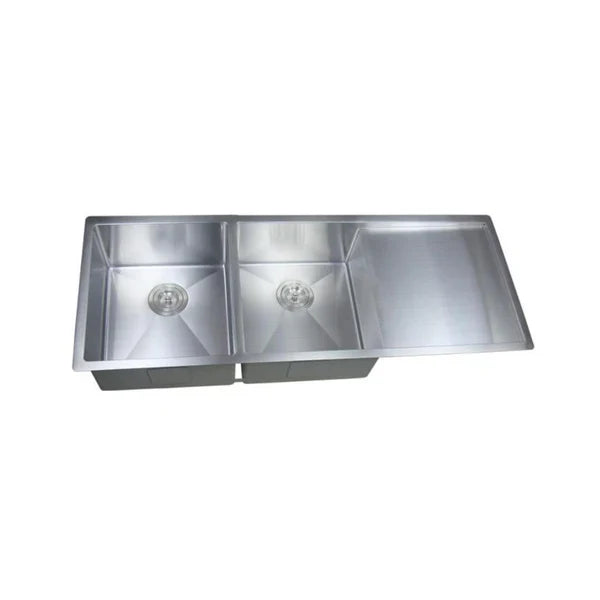
Installing an undermount sink can seem like a daunting task, but with the right guidance, it's a project well within the reach of a determined DIYer. This guide will walk you through each step, ensuring a successful and professional-looking installation, specifically tailored for common countertop materials.
Undermount Sinks: A Simple Upgrade That Makes a Big Difference
Undermount sinks are more than just a trend; they're a smart design choice that offers both aesthetic appeal and practical benefits. Imagine a kitchen where crumbs and spills effortlessly sweep into the sink, no lip or rim to trap them. That's the beauty of an undermount. Their seamless integration creates a clean, sophisticated look that instantly elevates your kitchen or bathroom. This sleek design isn't just about looks; it's about making your daily life a little easier, and that effort during installation is absolutely worth it.
Before You Begin: Gather Your Tools and Materials
Preparation is paramount. Before you even think about cutting, ensure you have everything you need. A quick trip to the hardware store now will save you countless headaches later.
Essential Tools
-
Jigsaw or Router: For cutting the sink opening in the countertop. Make sure to select the appropriate blades based on your countertop material (e.g., quartz countertops, stainless steel, or wood).
-
Drill: Used for pilot holes and securing clips.
-
Caulking Gun: To apply the silicone sealant for a watertight seal.
-
Safety Gear: Gloves, safety glasses, and ear protection are essential.
-
Level and Tape Measure: Accuracy is critical, especially when placing the new sink.
-
Clamps: For holding the sink in place as you secure it.
-
Putty Knife: For cleaning excess sealant.
Key Materials
-
Silicone Sealant: Ensure you choose a high-quality, mildew-resistant silicone caulk suitable for home improvement and kitchen/bathroom use.
-
Undermount Sink Clips/Fasteners: These should ideally come with your undermount kitchen sink, but if not, ensure they’re compatible with your countertop’s thickness.
-
Epoxy Adhesive: If you’re installing on heavier materials like granite, this may be recommended for extra support.
-
Denatured Alcohol: To clean surfaces before applying sealant.
Pre-Installation Prep: Templates, Placement, and Countertop Considerations
This is where the magic begins or where mistakes are made. Take your time here. This stage is about precise planning.
Understanding Your Countertop Material
The type of countertop you have dictates much of your approach. Are you dealing with the dense, robust nature of quartz or granite, the pliable consistency of Corian, or perhaps a pre-cut laminate?
Each material has its own unique characteristics and demands specific handling. For instance, cutting natural stone or quartz requires specialised tools and expertise, often best left to a professional fabricator. Solid surface materials like Corian are much more forgiving for DIY cutting. Laminate countertops, while common, present their own challenges due to their particleboard core. We’ll dive deeper into these specifics shortly.
Tracing Your Template
Your new undermount sink should come with a paper template. This isn't just a suggestion; it's your blueprint. Carefully position the template on the underside of your countertop, ensuring it's centred and aligned. This template typically accounts for the required reveal or overlap of the countertop over the sink's rim.
Dry-Fitting the Sink
Before any permanent cuts or seals, always perform a dry fit. Place the sink into the traced opening (or carefully position it if the opening is already cut). This step allows you to confirm the alignment, check for any obstructions, and ensure the sink sits flush. This is your last chance to make adjustments before committing. If your countertop isn't yet installed, this dry fit is even more crucial, as you can flip it over and verify everything from the underside.
How to Install Undermount Sink: A Step-by-Step Breakdown
With your prep work done, it's time for the actual installation. Follow these steps meticulously.
Step 1: Preparing the Countertop Opening
If your countertop isn't pre-cut, this is where you create the opening. Using your traced line as a guide, carefully cut out the sink opening. For solid surface materials, a jigsaw with a fine-tooth blade works well. For quartz or granite, if you're not having it professionally cut, you're venturing into specialised territory that often requires wet saws and professional expertise. If you're using a router, ensure you have the correct bit and guide. Remember to drill pilot holes in the corners to allow your jigsaw blade to enter cleanly. Take your time; a jagged cut can compromise the seal. Once cut, smooth any rough edges with sandpaper or a sanding block.
Step 2: Applying Sealant (The Water Barrier)
This is the most critical step for preventing leaks. Flip your countertop over (if possible) or work from underneath. Clean the rim of the sink and the underside of the countertop around the opening with denatured alcohol. This removes any dust, grease, or debris that could compromise the sealant's adhesion. Apply a generous, continuous bead of 100% silicone sealant around the entire rim of the sink where it will meet the countertop. Don't be shy; you want complete coverage.
Step 3: Positioning and Securing the Sink
Carefully lift the sink and align it with the opening in the countertop. Press it firmly into place, ensuring the silicone creates a good seal. Now, attach the mounting clips. These clips are designed to pull the sink up tightly against the countertop, compressing the silicone sealant. Follow the sink manufacturer's instructions for clip placement and tightening sequence. Typically, you'll hand-tighten all clips first, then go around and tighten them evenly with a wrench or screwdriver, being careful not to overtighten, which can damage the countertop or sink flange.
Step 4: Curing Time and Final Touches
Once the clips are secured, immediately wipe away any excess silicone that has squeezed out from the joint, both from the top and bottom, using a damp cloth or a putty knife. This creates a clean finish. Now, patience is key. Allow the silicone sealant to cure fully. This usually takes 12-24 hours, but always check the sealant manufacturer's recommendations. During this time, do not run water into the sink or put any weight on it. After curing, you can proceed with installing your faucet and drain assembly.
Specific Considerations for Different Countertop Materials
While the general steps remain similar, each material presents unique nuances.
Quartz and Granite
These materials are incredibly durable but also very dense and heavy. Because of their hardness, cutting sink openings is usually done by the fabricator using specialised diamond-tipped tools. Trying to DIY the cut can lead to chips, cracks, or serious injury. When installing an undermount sink to quartz or granite, the weight of the sink and the material itself often means extra support is needed. Many manufacturers recommend using an epoxy adhesive in addition to silicone, or even specialised sink mounting systems that attach directly to the cabinet framework, to bear the weight. The mounting clips provided with the sink are essential but often supplementary to this primary support.
Solid Surface
Solid surface materials are quite forgiving. They are easier to cut with standard woodworking tools like a jigsaw or router. The edges can be sanded smooth, and minor imperfections are often repairable. When installing an undermount sink here, the primary concern is ensuring a completely flush fit and an excellent silicone seal. While these materials are solid, they don't have the sheer weight-bearing capacity of stone, so ensure your mounting clips are well-distributed and adequately tightened to prevent sagging over time. Some solid surface manufacturers even offer integrated sink options, where the sink is moulded directly into the countertop for the most seamless look.
Laminate or Wood
Undermounting a sink into a laminate or standard wood countertop is generally not recommended. Why? Both materials are highly susceptible to water damage. The raw edge created by cutting the sink opening in the laminate exposes the particle board core, which will swell and degrade if it gets wet. While some highly specialised laminate products exist that can accommodate undermounts (often with a post-formed edge and specific sealing techniques), for typical laminate, a top-mount (drop-in) sink is the safer and more durable choice.
For solid wood countertops, an undermount is possible, but it requires meticulous sealing and ongoing maintenance. The wood around the opening must be thoroughly sealed with a waterproof finish (like marine-grade epoxy or tung oil) before the sink is installed. Even then, the risk of water ingress and subsequent wood movement or rot is higher than with other materials. If you choose to go this route, consider a sink support frame built into the cabinet to carry the sink's weight, reducing stress on the wood.
Troubleshooting Common Undermount Sink Installation Issues
Even with careful planning, things can go awry. Here’s how to tackle common problems.
Leaky Seals
The most frequent culprit is an improperly applied or insufficient silicone bead or insufficient curing time. If you notice a leak, carefully remove the sink (a razor blade can help cut through the old silicone), clean both surfaces thoroughly, and reapply a generous, continuous bead of fresh 100% silicone sealant. Ensure the surfaces are completely dry and free of old sealant residue before reapplying. Allow it to cure fully before testing.
Uneven Sink Placement
If the sink appears crooked or not centred after installation, it likely wasn't aligned properly during the initial placement. If the sealant hasn't fully cured, you might be able to gently shift it. If it has cured, you’ll need to remove the sink, clean off all sealant, and restart the positioning process with greater precision. Use the template and double-check all measurements.
Insufficient Support
If your sink feels wobbly or sags, the mounting clips might not be tight enough, or the weight isn't adequately supported. For heavy sinks (stainless steel sinks or stone countertops), remember that clips primarily pull the sink up, not necessarily support its full weight long-term. You might need to add additional supports, such as a custom-built wooden frame within the cabinet that the sink rests on, or epoxy adhesive as recommended by the manufacturer.
When to Call a Professional
While installing an undermount sink is a rewarding DIY project, there are times when calling a professional is the smartest move. If you're dealing with a very expensive, heavy stone countertop like granite or marble that needs a cut, or if you're uncomfortable using powerful cutting tools, a professional fabricator or plumber has the specialised equipment and experience to ensure a perfect, damage-free installation.
By following this step-by-step guide on how to install an undermount sink, homeowners can confidently tackle the installation of an undermount kitchen sink or bathroom sink, transforming their space with a sleek, modern look. Whether you’re upgrading to a single bowl stainless steel sink or replacing an old sink, these steps will ensure a successful and long-lasting installation.
Ready to Upgrade Your Sink?
If you're looking for high-quality undermount sinks and expert guidance for your home improvement projects, be sure to visit Luxern Home. Discover a wide range of sinks that will perfectly complement your kitchen countertops and bathroom designs. Upgrade your space today with a stunning new sink and enjoy the seamless elegance of an undermount installation!
Share: