
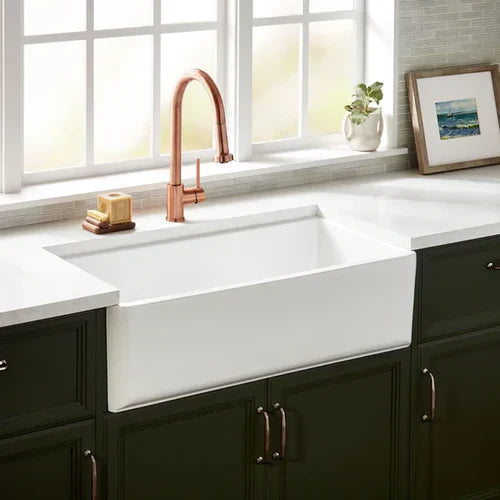
You’re about to choose one of the hardest-working yet often overlooked heroes of your kitchen: the kitchen tap. It might seem like a small detail, but trust me, the right kitchen tap can elevate your daily routines from mundane chores to genuinely enjoyable experiences. This guide is designed to empower you with the knowledge and confidence to make an informed decision, turning what could be a confusing task into an exciting exploration.
Why Your Kitchen Tap Matters More Than You Think
Think about it: how many times a day do you interact with your kitchen tap? Washing dishes, filling pots, rinsing vegetables, getting a glass of water, it's a constant companion. A poorly chosen tap can lead to frustration, leaks, and a kitchen that just doesn't feel quite right. Conversely, a well-chosen tap feels intuitive, performs flawlessly, and seamlessly integrates with your kitchen's overall design, making every interaction a pleasure.
Aesthetics Meet Functionality
The kitchen tap is no longer just a water dispenser. It's a statement piece, a functional workhorse, and a technological marvel all rolled into one. On the aesthetic front, it's a crucial element that contributes to your kitchen's style narrative, whether that's sleek modern, rustic farmhouse, or industrial chic. Functionally, modern taps offer an incredible array of features designed to make your life easier, from pull-down sprayers that tackle stubborn grime to boiling water on demand. The trick is to find that sweet spot where beauty and practicality perfectly align for your specific needs.
Key Factors to Consider Before Buying
Before you get swept away by shiny finishes and clever features, let's lay down a solid foundation. These factors are your non-negotiables, the practical considerations that will guide your selection process.
1. Your Kitchen's Style and Aesthetic
This is where your tap starts telling a story. Is your kitchen a minimalist sanctuary with clean lines and understated elegance? Then a sleek, single-lever kitchen mixer tap in brushed stainless steel or matte black might be perfect. Or perhaps you've embraced the charm of a country-style kitchen with a natural wood and ceramic kitchen sink? A classic gooseneck tap with ceramic levers could be the ideal complement. Think of your tap as an accessory. Just as a watch completes an outfit, your tap completes your kitchen's look.
2. Water Pressure and Plumbing Compatibility
This is a critical, often overlooked, technical detail. Taps are designed to operate optimally within a specific range of water pressures, typically categorised as low, medium, or high pressure. Installing a high-pressure tap in a low-pressure system will result in a disappointing trickle, while a low-pressure tap on a high-pressure system could lead to excessive splashing or even damage over time.
Before you fall in love with a particular model, understand your home's water pressure. You can often find this information from your local water provider or by having a plumber check it. Also, consider your hot water system. Is it a combi-boiler, gravity-fed, or unvented? Each system has different characteristics that influence water pressure and flow. Modern mixer taps, especially, often require balanced hot and cold-water pressures for optimal performance. Don't hesitate to consult a plumber at this stage; a few minutes of their time can save you a lot of headache and expense later.
3. Mounting Type
This decision often dictates the initial plumbing setup and aesthetic impact.
Deck-mounted taps are the most common type. They fit directly into holes drilled in your sink or countertop. This offers flexibility in placement and is generally easier to install or replace. If you're replacing an existing tap, chances are you'll stick with a deck-mounted tap to avoid major plumbing work. Consider the number of holes available in your sink or countertop; some taps require one, others two, three, or even four for features like a separate sprayer or soap dispenser.
Wall-mounted taps are a fantastic choice for a sleek, minimalist look, especially if you have a beautiful, uncluttered countertop or a statement sink. They free up space around the sink, making cleaning easier and providing a very contemporary aesthetic. However, they require plumbing to be run inside the wall, which is a more involved installation process, often best suited for new builds or major kitchen renovations. If you're doing a quick tap swap, wall-mounted is likely not your go-to.
4. Spout Style and Reach
The spout is the working end of your tap, and its design significantly impacts functionality.
-
Gooseneck/High-arc spouts are tall and elegant, providing ample clearance for filling large pots and washing bulky items. They make a visual statement, but ensure your overhead cabinets don't impede their movement.
-
Low-arc spouts are more discreet and fit well in kitchens with limited vertical space or under windows. They offer a more traditional look.
-
Straight/L-shaped spouts are modern and minimalist, often seen in contemporary kitchens.
-
Swivel spouts are almost a standard now, allowing you to move the spout out of the way or direct water to different areas of a double sink. The degree of swivel (e.g., 180° or 360°) can vary.
-
Pull-out/Pull-down spouts (which we'll discuss more later) offer incredible versatility, extending the reach of your water stream for rinsing and cleaning.
Crucially, consider the reach of the spout. It should extend far enough into your sink to avoid splashing, but not so far that it hits the back of the sink or makes it awkward to use. Test this by imagining placing your largest pot in the sink – will it fit comfortably under the spout?
5. Handle Configuration
This choice comes down to aesthetics, ease of use, and sometimes, water temperature control.
Single-lever mixer taps are incredibly popular for their convenience. One lever controls both water temperature and flow. Push it up for flow, left for hot, right for cold. They're intuitive, easy to operate with one hand (even a soapy one!), and lend themselves to modern, minimalist designs. However, precise temperature control can sometimes be slightly trickier than with dual handles.
Dual-handle taps (separate hot and cold handles) offer a classic, often more traditional aesthetic. They provide very precise control over hot and cold water ratios, allowing you to fine-tune the temperature exactly. They might be a bit slower to adjust and require two hands for mixing, but for a period-style kitchen, they're often the preferred choice. Some designs feature ceramic disc valves, which offer smooth operation and durability.
6. Finish and Material
The finish of your tap isn't just about looks; it's about how well it stands up to daily use and how easy it is to keep clean.
-
Chrome is perhaps the most common finish. It's shiny, versatile, and generally durable. It's also relatively easy to clean, but it can show water spots and fingerprints.
-
Brushed Stainless Steel/Nickel offers a matte, understated look that's excellent for modern kitchens. It's very durable, resists fingerprints and water spots better than polished chrome, and is easy to maintain.
-
Matte Black has surged in popularity, offering a bold, contemporary statement. It's durable but might show mineral deposits more prominently if you have hard water. Special cleaning agents are often recommended.
-
Bronze/Copper (often oil-rubbed or antique finishes) is perfect for rustic, industrial, or traditional kitchens. They often develop a unique patina over time, which some people love, while others prefer to maintain their original lustre. These finishes can require specific cleaning instructions.
-
PVD (Physical Vapour Deposition) finishes are a newer technology offering superior durability, scratch resistance, and a wider range of colours (e.g., gunmetal, gold). They are typically found on higher-end taps but offer excellent longevity.
The material underneath the finish is usually brass, a durable and corrosion-resistant metal. Ensure you're choosing a tap from a reputable brand to guarantee quality materials throughout.
Types of Kitchen Taps
Now that we've covered the foundational factors, let's dive into the exciting world of tap types, each offering unique benefits. If you're upgrading your new kitchen, it’s worth exploring options like pull-out sink mixers and taps that can provide filtered water.
Standard Mixer Taps
These are the most common types of taps, combining hot and cold water into a single spout. They can have one or two handles. Their simplicity and wide range of styles make them a safe and effective choice for almost any kitchen in Australia. They are straightforward to install and maintain, providing a solid foundation for your kitchen's water needs without any unnecessary frills. If you need a dependable workhorse without complex features, the standard mixer is your go-to.
Pull-Out/Pull-Down Taps
This is where functionality truly shines. Pull-out taps feature a spray head that extends directly from the spout, typically with a long hose that can reach all corners of your sink, and even beyond. The head retracts back into the spout when not in use. Pull-down taps feature a high-arc spout with a spray head that pulls down vertically. Both types usually have a button or switch on the spray head to alternate between a steady aerated stream and a powerful spray.
These are incredibly popular for a reason: they make washing large pots, cleaning the sink, and rinsing vegetables so much easier. They are arguably the biggest game-changers in tap technology for daily convenience. If you frequently cook with large pans or want maximum flexibility, a pull-out or pull-down tap is a must-consider.
Filter Taps
Imagine having fresh, filtered drinking water directly from your tap, without the need for jugs, plastic bottles, or separate counter-top filters. That's the promise of a filter tap. These taps typically feature a separate lever or button that dispenses water that has passed through an inline filter, removing chlorine, sediment, and other impurities, often improving taste and smell.
Some filter taps are "3-in-1," providing hot, cold, and filtered cold water from a single spout. Others are "4-in-1," adding filtered boiling water. If drinking water quality is a priority for you, and you want to reduce your reliance on bottled water, a filter tap is an excellent investment.
Boiling Water Taps
Say goodbye to kettles! A boiling water tap provides instant hot water (typically 98-100°C) directly from the tap, stored in a compact tank under your sink. This saves counter space, reduces energy consumption (as you only heat the water you need), and offers unparalleled convenience for making tea, coffee, filling pasta pots, or blanching vegetables.
These taps are often "3-in-1" (hot, cold, and boiling) or "4-in-1" (hot, cold, boiling, and filtered cold). While they represent a higher initial investment, the long-term convenience and energy savings can make them a worthwhile luxury. Most models also incorporate safety features to prevent accidental scalding.
Sensor Taps
Embrace hygiene and efficiency with a sensor tap. These taps feature an infrared sensor that detects your hands, automatically turning the water on and off. This touchless operation is fantastic for preventing cross-contamination, especially when handling raw meat, and for conserving water as it only flows when needed.
While more common in commercial settings, sensor taps are gaining popularity in residential kitchens for their sleek aesthetic and practical benefits. They're a truly modern addition, offering a glimpse into the future of kitchen convenience.
Commercial Style Taps
Inspired by professional kitchens, these taps are bold, robust, and incredibly functional. They typically feature a large, high-arc spring-loaded spout with a powerful spray head, often with a separate pot filler. They offer exceptional reach and pressure, making them ideal for serious home cooks who demand professional-grade performance.
Commercial-style taps make a strong visual statement and often become the focal point of the kitchen. While they might seem overkill for some, for those who spend a lot of time cooking and appreciate powerful functionality, they're a fantastic choice.
Bridge Taps
Bridge taps hark back to a bygone era, featuring two separate pillar taps (one for hot, one for cold) connected by a central horizontal "bridge" pipe, from which the spout extends. They offer a distinct, vintage-inspired aesthetic that perfectly complements farmhouse, traditional, or industrial-style kitchens.
While they might lack some of the advanced features of modern mixers, their timeless charm and sturdy construction make them a beloved choice for those seeking a classic, elegant look. They usually require two tap holes for installation.
Advanced Features and Technologies to Look For
Beyond the basic types, modern taps come packed with innovations that can further enhance your kitchen experience.
Water Efficiency (WELS Rating)
The Water Efficiency Labelling and Standards (WELS) scheme provides a star rating for taps based on their water consumption. A higher star rating indicates greater water efficiency, which means lower water bills and a reduced environmental footprint. Look for taps with a good WELS rating, especially if you're conscious about water conservation. This is particularly relevant for standard mixer taps and pull-out/pull-down models.
Anti-Scald Protection
For families with young children or elderly individuals, anti-scald protection is a crucial safety feature. This technology often comes in the form of thermostatic mixing valves within the tap, which prevent the water temperature from exceeding a safe pre-set limit, even if there's a sudden drop in cold water pressure. It provides peace of mind and prevents accidental burns.
Swivel Spouts and Flexible Hoses
We touched on swivel spouts earlier, but their importance for multi-basin sinks or simply getting the tap out of the way cannot be overstated. A good range of swivel (e.g., 180° or 360°) offers maximum flexibility. Flexible hoses for pull-out/pull-down taps are also key. Look for high-quality, durable hoses that don't kink and retract smoothly. Some even come with weighted ends to ensure a firm return to their docked position.
Magnetic Docking for Pull-Out Sprays
This is a subtle but significant feature for pull-out and pull-down taps. Instead of a friction-fit or weighted hose that might eventually sag, magnetic docking systems ensure the spray head snaps securely back into place when not in use. This keeps the tap looking neat, prevents drooping, and ensures smooth operation for years to come. It's a small detail that speaks volumes about a tap's quality.
Easy-Clean Nozzles
Over time, mineral deposits (limescale) can build up on the aerator nozzles of your tap, affecting water flow and spray patterns. Many modern taps feature silicone or rubber nozzles that can be easily wiped clean with a finger, dislodging any build-up. This simple feature drastically reduces maintenance effort and prolongs the tap's optimal performance.
Special Finishes (e.g., PVD, Brushed)
While chrome is classic, don't overlook the benefits of specialised finishes. As mentioned earlier, PVD (Physical Vapour Deposition) finishes are incredibly hard-wearing and scratch-resistant, offering enhanced durability and a wider range of colours like gunmetal, rose gold, or matte black. Brushed finishes (stainless steel, nickel) are excellent for resisting fingerprints and water spots, maintaining a cleaner look with less effort. These finishes not only look great but also offer practical advantages in terms of longevity and ease of maintenance.
Maintenance and Longevity
Even the best tap needs a little love to perform optimally for years. Good maintenance isn't just about aesthetics; it's about extending the lifespan of your investment.
Regular Cleaning Tips
For a sparkling, functional tap, consistent and gentle cleaning is key. After each use, wipe the tap with a soft, dry cloth to prevent water spots and mineral buildup, especially on polished finishes. Once a week, clean it with a mild soap and water solution, using a soft sponge or cloth. Avoid abrasive cleaners, scouring pads, and harsh chemicals like bleach or ammonia, as these can damage finishes such as matte black or bronze. If you live in a hard water area, tackle limescale with a mixture of equal parts white vinegar and water for chrome or stainless steel taps. For delicate finishes, use specialised limescale removers. For taps with silicone nozzles, gently rub them with your finger to dislodge mineral deposits.
Troubleshooting Common Issues
Even the best taps can face minor issues. For low water pressure, check the aerator for mineral buildup and clean it if necessary. Also, ensure that the shut-off valves under the sink are fully open. A persistent drip usually indicates a worn washer or cartridge—replacing these is often simple, but a plumber may be needed to avoid water damage. If the handles squeak, apply silicone grease to the moving parts after disassembling the handle. For pull-out/pull-down heads that aren’t retracting, check the hose for kinks, ensure the weight is properly positioned, and look for any obstructions.
When to Repair vs. Replace
Deciding whether to repair or replace your tap depends on its age, condition, and the issue. If your tap is relatively new and the problem is minor (such as a cartridge replacement or clogged aerator), repairing is usually the most cost-effective and eco-friendly option. However, if the tap is old, continually leaking despite repairs, or parts are unavailable, replacement might be the better choice. Additionally, if you're undertaking a kitchen renovation or seeking a significant aesthetic or functional upgrade, replacing the tap can provide peace of mind and improve overall performance.
Making Your Final Decision: A Step-by-Step Approach
You've absorbed a lot of information, now let's synthesise it into a clear decision-making process.
1. Prioritise Your Needs
Start by making a list of your absolute must-haves and nice-to-haves. This prioritisation will help you filter out unsuitable options quickly and focus on what truly matters for your lifestyle. Don't compromise on the must-haves.
2. Read Reviews and Seek Recommendations
Once you have a shortlist, dive into online reviews. Look for patterns – do multiple people complain about the same issue? Pay attention to comments about durability, ease of installation, and customer service. Forums and social media groups can also provide real-world insights.
Don't forget to ask friends, family, or even your plumber for recommendations. Personal experiences can be invaluable, offering perspectives that spec sheets often miss.
3. Visit Showrooms
Online pictures are great, but nothing beats seeing and feeling a tap in person. Visit kitchen showrooms or plumbing supply stores.
-
Touch and Feel: Operate the handles. Do they feel smooth and sturdy, or flimsy and wobbly?
-
Assess Scale: See how the tap looks in a real-world setting. Is the spout reach appropriate? Does it overpower the sink, or is it too small?
-
Envision: Imagine it in your kitchen. Does the finish truly match your existing elements?
This hands-on experience can often cement your decision or highlight unforeseen issues.
4. Check Warranty and After-Sales Support
A good warranty is a testament to a manufacturer's confidence in their product. Look for taps with a substantial warranty period (often 5-10 years, or even lifetime on certain components like cartridges). Understand what the warranty covers.
Equally important is accessible after-sales support. If you have an issue down the line, can you easily contact the manufacturer for parts or troubleshooting advice? A reputable brand with good customer service can make all the difference if a problem arises.
The Right Tap Can Transform Your Kitchen Experience
Choosing a kitchen tap might seem like a small decision in the grand scheme of kitchen design, but its impact on your daily life is immense. By carefully considering your style, practical needs, and budget, and by exploring the wealth of innovative options available, you're not just picking a fixture; you're investing in convenience, efficiency, and the overall enjoyment of your kitchen.
At Luxern Home, we offer a curated selection of recommended kitchen taps that combine quality, durability, and style to elevate your kitchen experience. Take your time, do your research, and trust your instincts. The perfect tap is waiting to become the unsung hero of your new kitchen. Visit us today and find the ideal tap for your home.
Share: