
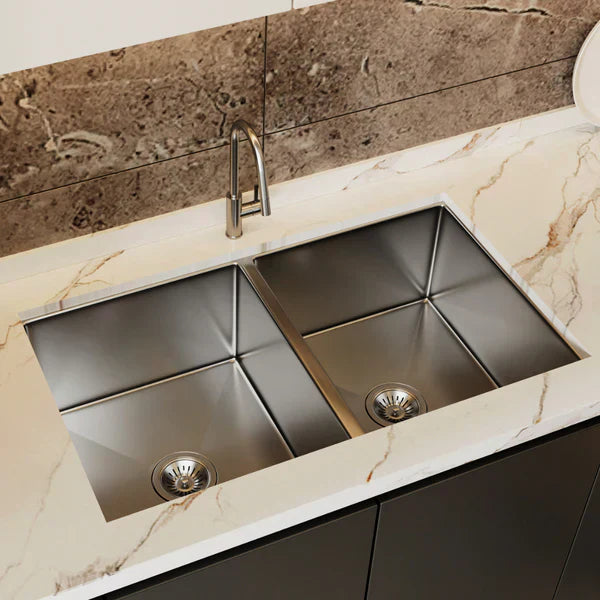
Your kitchen sink is one of the busiest areas in the home. It handles food scraps, cooking residue, dirty dishes, coffee stains, soap, hard water marks and everyday splashes. Because it is used so often, it can quickly lose its shine if it is not cleaned properly.
Learning how to clean kitchen sink surfaces the right way helps protect the material, reduce odours and keep your kitchen feeling fresh. The best cleaning method depends on the type of sink you have. Stainless steel, quartz composite, sintered stone and ceramic style sinks all need slightly different care.
The good news is that kitchen sink cleaning does not need to be complicated. With gentle products, regular wiping and the right technique, you can keep your sink looking clean without damaging the finish. This guide explains how to clean a kitchen sink, how to remove common marks and how to maintain different sink materials for long-term performance.
Why Regular Kitchen Sink Cleaning Matters
A kitchen sink may look like a simple fixture, but it plays a major role in everyday hygiene and kitchen presentation. It is where you rinse food, wash cookware, drain liquids and clean utensils. When residue builds up, the sink can start to look dull, smell unpleasant or develop stains around the drain and corners.
Regular cleaning helps remove food particles, grease, soap residue and mineral deposits before they become harder to clean. It also helps maintain the appearance of the sink surface, especially in modern kitchens where the sink is a visible design feature.
A clean sink also makes the whole kitchen feel more polished. Even if the benchtop is tidy, a stained or dull sink can make the space feel unfinished. A few simple cleaning habits can make a noticeable difference.
Know Your Kitchen Sink Material First
Before choosing a cleaning method, check what your sink is made from. Using the wrong cleaner can scratch, dull or stain the surface.
Stainless steel sinks are popular because they are durable, practical and easy to maintain. Luxern Home’s stainless steel kitchen sink collection includes different sizes and configurations designed for everyday use, including undermount and double bowl options.
Quartz composite and sintered stone sinks have a more solid, modern look. These surfaces are often chosen for their sleek appearance and durability, but they still need gentle cleaning to preserve the finish.
If you are unsure what your sink is made from, check the product listing, installation documents or supplier information before using any strong cleaning product.
How to Clean a Stainless Steel Kitchen Sink
Stainless steel is one of the most common kitchen sink materials because it suits modern kitchens, resists corrosion and handles daily use well. However, it can still show water spots, fingerprints and light scratches if cleaned incorrectly.
Start by rinsing the sink with warm water to remove loose food and residue. Add a small amount of mild dishwashing liquid to a soft sponge or cloth, then wipe the sink in the direction of the stainless steel grain. This helps maintain the finish and reduces the chance of visible marks.
After washing, rinse the sink thoroughly with clean water. Any leftover soap can dry on the surface and leave streaks. Finally, dry the sink with a soft microfibre cloth. This final step is important because water spots often appear when the sink is left to air dry.
For a deeper clean, sprinkle a small amount of baking soda across the damp sink and gently wipe with a soft cloth. Baking soda can help lift light residue without being too harsh when used carefully. Avoid steel wool, harsh scouring pads and abrasive powders, as these can scratch stainless steel.
How to Clean a Quartz or Sintered Stone Kitchen Sink
Quartz and sintered stone kitchen sinks create a sleek, modern look and are often selected for premium kitchen renovations. These surfaces are designed for durability, but they should still be cleaned with care.
Use warm water, mild dishwashing liquid and a soft cloth for everyday cleaning. Wipe the sink surface gently, paying attention to the base, corners and area around the drain. Rinse thoroughly and dry with a soft cloth to reduce water marks.
For food stains or light marks, allow warm soapy water to sit on the surface for a short time before wiping. This helps loosen residue without needing aggressive scrubbing. If the sink has a matte or textured finish, gentle circular wiping may help remove marks from the surface pattern.
Avoid harsh chemicals, bleach-heavy cleaners, metal scourers and highly abrasive products unless the manufacturer specifically confirms they are suitable. Strong products may affect the surface finish or cause uneven dull patches over time.
How to Clean Around the Kitchen Sink Drain
The drain area often collects food particles, grease and soap residue. If it is not cleaned regularly, it can become one of the main sources of kitchen sink odours.
Remove any visible food scraps first. Then wash around the drain opening using warm water, mild dishwashing liquid and a soft brush or cloth. Pay attention to the edge where the drain fitting meets the sink, as grime often builds up in this small gap.
If there is an unpleasant smell, rinse the drain with hot water after cleaning the sink. You can also use a small amount of baking soda followed by warm water to help freshen the area. Avoid pouring harsh chemical drain cleaners into the sink unless necessary, as they may not be suitable for all plumbing systems or sink finishes.
If odours continue after cleaning, the issue may be deeper in the trap or pipework. In that case, it may be worth asking a plumber to inspect the drain.
How to Remove Water Spots and Mineral Marks
Water spots are common, especially in areas with hard water. They can make a clean sink look dull even when the surface is hygienic.
For stainless steel sinks, wipe the sink with a soft cloth and a mild mixture of water and white vinegar, then rinse thoroughly. Do not leave vinegar sitting on the surface for long periods. After rinsing, dry the sink completely with a microfibre cloth.
For quartz, sintered stone or coloured sinks, be more cautious. Always check whether vinegar or acidic cleaners are suitable for your specific sink surface. If unsure, use warm soapy water first and dry the sink well. Regular drying is one of the simplest ways to prevent water marks from becoming noticeable.
The most effective habit is to wipe the sink dry at the end of the day. This only takes a moment and helps preserve the finish.
How to Remove Food Stains
Food stains can come from coffee, tea, sauces, curry, beetroot, red wine or oily residues. The sooner you clean them, the easier they are to remove.
Start with warm water and mild dishwashing liquid. Let the soapy water sit on the stained area briefly, then wipe gently with a soft cloth. For stainless steel, a small amount of baking soda can help lift light staining. For quartz or sintered stone, use a non-abrasive cleaner that is suitable for the specific material.
Avoid using aggressive scrubbing as the first response. Scratches and dull patches are often caused by trying to remove stains too forcefully. A slower, gentler cleaning approach is usually safer for the sink finish.
How to Make a Kitchen Sink Smell Fresh
A kitchen sink can smell unpleasant when food particles, grease and bacteria build up in the drain, overflow or corners. Cleaning the visible sink surface is helpful, but the drain area also needs attention.
After washing the sink, flush the drain with hot water. Clean around the plug, basket waste and drain edge. If your sink has a removable strainer, take it out and wash it separately.
For a simple freshening method, sprinkle a small amount of baking soda around the drain and rinse with warm water. You can also wipe the sink with mild dishwashing liquid and dry it thoroughly after use.
If the smell is strong, persistent or coming from below the sink, it may be linked to trapped debris, a dry trap or plumbing issue rather than the sink surface itself.
What Not to Use on a Kitchen Sink
The wrong cleaning product can do more harm than good. Even durable kitchen sinks can be damaged by overly harsh cleaners or rough tools.
Avoid steel wool, metal brushes, harsh abrasive powders and strong chemicals unless the product instructions clearly say they are safe for your sink. Bleach, ammonia and acidic cleaners should be used with caution, particularly on coloured, stone-look or composite surfaces.
It is also best not to leave wet sponges, metal cans, cast iron pans or cleaning products sitting in the sink for long periods. These can cause marks, rust transfer or surface discolouration.
When in doubt, choose the gentler option first. Warm water, mild dishwashing liquid and a soft cloth are suitable for most everyday cleaning.
Daily Kitchen Sink Cleaning Routine
A simple daily routine can keep your sink looking fresh without much effort. After washing dishes or preparing food, rinse the sink with warm water to remove residue. Wipe the surface with mild dishwashing liquid if needed, then rinse again.
The most important final step is drying the sink. A soft cloth helps prevent water spots, streaks and mineral marks. This is especially useful for stainless steel sinks and darker sink finishes where water marks may be more visible.
If you cook often, it is worth cleaning around the drain and plug area at the end of the day. This helps prevent odours and keeps the sink ready for the next use.
Weekly Deep Cleaning Routine
A weekly clean helps remove buildup that daily rinsing may miss. Start by clearing the sink completely and rinsing away loose debris. Wash the surface with warm soapy water, then pay closer attention to corners, edges and the drain fitting.
For stainless steel, gently clean with baking soda and a soft sponge if the surface needs extra attention. Rinse well and dry thoroughly. For quartz or sintered stone sinks, use a gentle non-abrasive cleaner suitable for the material, then rinse and dry.
Also clean accessories such as sink grids, drain strainers and plugs. These parts can collect residue even when the sink itself looks clean.
How to Keep Your Kitchen Sink Looking New
Long-term sink care is mostly about consistency. Clean spills quickly, avoid harsh scrubbing and dry the sink regularly. Small habits can help prevent stains, water marks and residue from building up.
Use a sink grid if your sink design allows it, especially if you regularly wash heavy pots and pans. This can help reduce direct impact on the sink base. Avoid dropping sharp or heavy items into the sink, as they may damage the surface.
If you are planning a kitchen renovation or replacing an old sink, it is also worth choosing a material that suits your lifestyle. Stainless steel is practical and easy to maintain, while sintered stone and quartz composite sinks offer a more design-led finish for modern kitchens. Luxern Home’s kitchen sink range includes stainless steel options as well as sintered stone designs to suit different layouts and styles.
Common Kitchen Sink Cleaning Mistakes
One common mistake is letting water dry naturally on the sink every day. This can leave mineral spots and make the surface look dull. Drying the sink with a soft cloth is a simple way to prevent this.
Another mistake is using abrasive pads to remove stains quickly. While this may seem effective at first, it can scratch or dull the sink surface. Once the finish is damaged, it may become harder to keep clean.
Many people also forget to clean the drain, plug and sink accessories. These areas often hold the residue that causes smells, even when the main sink bowl looks clean.
FAQ
What is the best way to clean a kitchen sink?
The best way to clean a kitchen sink is to use warm water, mild dishwashing liquid and a soft cloth or sponge. Rinse thoroughly and dry the sink after cleaning to reduce water spots and streaks.
How do you clean a stainless steel kitchen sink?
Rinse the sink, wash it with mild dishwashing liquid and a soft cloth, then wipe in the direction of the stainless steel grain. Rinse again and dry with a microfibre cloth. For deeper cleaning, use a small amount of baking soda gently.
How do I remove stains from a kitchen sink?
Start with warm soapy water and a soft cloth. For stainless steel, baking soda may help lift light stains. For quartz or sintered stone sinks, use a non-abrasive cleaner suitable for that material.
What should I avoid using on a kitchen sink?
Avoid steel wool, harsh abrasive powders, metal brushes and strong chemicals unless they are confirmed as safe for your sink material. These can scratch, dull or damage the surface.
Conclusion
Knowing how to clean kitchen sink surfaces properly helps keep your kitchen fresh, hygienic and visually polished. The key is to match the cleaning method to the sink material and avoid harsh products that may damage the finish.
For everyday cleaning, warm water, mild dishwashing liquid and a soft cloth are usually enough. For deeper cleaning, use gentle methods suited to stainless steel, quartz or sintered stone. Cleaning the drain area, drying the sink and avoiding abrasive tools will help maintain the surface for longer.
Luxern Home offers a curated range of kitchen sinks, including stainless steel kitchen sinks and sintered stone kitchen basins for Australian homes. Explore the collection online to find a sink that suits your kitchen design, maintenance preferences and everyday lifestyle.
Share: