
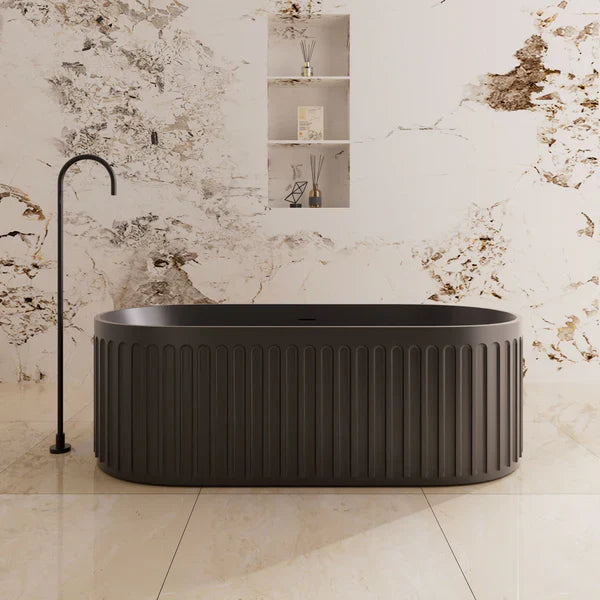
Selecting a bathtub is one of the few bathroom renovation decisions that bridges the gap between pure utility and total indulgence. In Australian homes, the bathroom has evolved from a functional "wet room" into a sanctuary, a place to wash away the dust of a coastal hike or the stress of a boardroom meeting.
Whether you are dreaming of a sculptural centrepiece for a master suite or a rugged, space-saving solution for a busy family home, the "right" tub is out there. This guide will walk you through the nuances of design, size, and material to ensure your choice is as practical as it is beautiful.
The Centrepiece of the Modern Australian Bathroom
Gone are the days when a bathtub was merely a plastic basin shoved into a corner. Today, the bath is often the visual anchor of the room. In modern Australian design, we see a shift toward "wellness-centric" layouts. Architects are increasingly positioning tubs under windows to capture garden views or using them as sculptural elements that break up the linear geometry of tiled walls.
A well-chosen bath does more than hold water; it sets the tone for your daily ritual. It communicates your style, be it the minimalist curves of a Scandi-inspired retreat or the bold, earthy textures of an Outback-inspired homestead.
Key Factors to Consider Before Choosing a Style
Before you fall in love with a specific silhouette, you must audit your reality. A bathtub is a permanent fixture; moving it later is a costly endeavour involving jackhammers and plumbing overhauls.
Spatial Layout and Bathroom Floorplan
Visualise the flow of the room. You need at least 600mm to 700mm of "clearance" space in front of the tub to comfortably step in and out. In smaller Australian renovations, every millimetre counts. If your bathroom feels cramped, a high-sided soaking tub with a smaller footprint might serve you better than a long, shallow tub that eats up valuable floor real estate.
Weight and Structural Integrity
This is the "invisible" factor. A standard bathtub made of acrylic is light enough for one person to carry. However, a cast iron or solid stone tub can weigh upwards of 400 kg, before you add 200 litres of water and a human being. If you are renovating a second-story bathroom in a timber-framed home, you may need a structural engineer to certify that your floor joists can handle the load.
Plumbing and Installation Constraints
Where is your existing floor waste? Relocating drainage pipes in a concrete slab is an expensive headache. If you are on a budget, look for a tub design that aligns with your current plumbing. Furthermore, consider the tapware; will the water fall from the wall, or do you need a tub with a "tap landing" (a flat edge) to mount the fixtures directly onto the bath?
The 12 Most Popular Bathtub Types in Australia
1. The Classic Freestanding Bath
The freestanding bathtub is the undisputed king of modern luxury. These tubs stand independently, finished on all sides, and can be placed anywhere in the room. They offer a "wow factor" that built-in tubs simply cannot match. However, they require more cleaning, you’ll need to reach around the back of the tub to mop up splashes.
2. Back-to-Wall Freestanding Baths
This is the ultimate "cheat code" for Australian bathrooms. It looks like a freestanding tub from the front, but the back sits flush against the wall. This design gives you the high-end aesthetic of a freestanding unit while eliminating the awkward cleaning gap behind the tub. It’s the perfect compromise for medium-sized rooms.
3. Inset or Drop-In Bathtubs
The workhorse of the suburban home. These tubs are dropped into a pre-constructed "hob" or tiled surround. These drop-in tubs are incredibly practical because the surrounding ledge provides a perfect spot for candles, wine glasses, or kids' toys. They are also generally the most affordable option.
4. Alcove (Three-Wall) Baths
Common in apartments and compact en-suites, the alcove bath is tucked between three walls. It’s a masterclass in efficiency. Because three sides are hidden, only the front "apron" needs to be finished, saving you money on materials and tiling.
5. Corner Bathtubs for Space Optimisation
While they fell out of fashion in the 90s, corner tubs are making a comeback in large family bathrooms. They offer a much wider bathing area, often allowing two people to sit side-by-side. If you have a square-shaped room with an awkward corner, this design maximises the usable "middle" of the floor.
6. Clawfoot Vintage Tubs
For those restoring a Federation-style home or a Victorian terrace, nothing beats a clawfoot. These tubs sit on decorative metal feet, allowing you to see the floor underneath, which can actually make a small bathroom feel larger. They bring an instant sense of history and "shabby chic" charm.
7. Stone Resin Composite Baths
If you want the look of natural stone without the impossible weight or porous maintenance, stone resin is the answer. These are man-made from a blend of crushed stone and polymer. They feel warm to the touch and have a matte, velvety finish that looks incredibly expensive.
8. Contemporary Japanese Soaking Tubs
Known as Ofuro tubs, these are deep and short. Instead of lying down, you sit upright with water up to your shoulders. They are ideal for tiny bathrooms where a standard 1700mm tub won't fit, but you still want a deep, meditative soak.
9. The Practical Shower-Bath Combo
In many Australian homes, there isn't room for a separate shower and bath. The combo uses a wider-based inset tub with a glass screen. To make this work, look for a "shower-bath" specific model that has a flat, non-slip bottom at the tap end for safe standing.
10. Sunken Baths for a Spa Aesthetic
A sunken bath is built into the floor rather than onto a hob. This creates a seamless, minimalist look reminiscent of a high-end day spa. However, be warned: they are difficult to install in concrete slabs and can be a tripping hazard if not clearly demarcated.
11. Walk-In Baths for Accessibility
Designed for those with limited mobility, these tubs feature a watertight door on the side. You walk in, sit on an internal seat, and close the door before filling. They are a game-changer for aging-in-place, ensuring the bathroom remains a place of independence.
12. Timber or Copper Statement Tubs
For the homeowner who wants a true conversation piece. Copper tubs retain heat exceptionally well and have natural antimicrobial properties, while cedar or teak tubs offer an aromatic, earthy experience. These are high-maintenance but offer unparalleled "organic" luxury.
Material Matters: Comparing Durability and Heat Retention
The choice of bathtub materials dictates how long your water stays warm and how much elbow grease you’ll need to keep it clean.
Acrylic and Fibreglass
The most common materials in Australia. Acrylic is lightweight, affordable, and warm to the touch. It’s reinforced with fibreglass for strength. Its main downside is that it can scratch over time if you use abrasive cleaners.
Enamelled Steel and Cast Iron
These are the "heirlooms." A cast iron tub finished in durable porcelain will last a century. It has incredible heat retention, once the metal gets hot, it stays hot. However, the initial fill will draw heat out of the water to warm the metal, so you may need a higher hot water setting.
Solid Surface and Natural Stone
These materials, such as granite, are solid all the way through, meaning they can be sanded back if they get scratched. They offer a premium, architectural look and feel like a natural boulder. They are heavy and expensive but offer the best longevity in high-end builds.
Common Australian Bath Dimensions and Sizing Standards
When browsing, you’ll find that most Australian baths fall into a few standard-size "buckets":
-
Standard: 1700mm long by 700- 750 mm wide. This fits most adults comfortably.
-
Compact: 1500mm long. Ideal for kids' bathrooms or tight ensuites.
-
Large/Luxury: 1800mm+ long. Great for tall bathers, but ensure your hot water cylinder is large enough to fill it!
Always check the internal depth. Some tubs look large but have a high overflow valve that prevents you from actually submerging your torso.
The Practical Side: Tapware and Drainage Positioning
Don't buy a tub without looking at your ceiling and walls. If you choose a freestanding tub, you will likely need a floor-mounted "gooseneck" mixer, which requires plumbing to come up through the floor tiles. If you choose an inset tub, you can save money by using wall-mounted taps.
Also, consider the "centre waste" versus "end waste." If you plan on bathing with a partner, a centre waste is essential so that neither person has to sit on the plug.
Which Bathtub Style is Right for Your Lifestyle?
Ultimately, your choice should reflect how you live. If you have young children, an inset tub with a wide ledge is a lifesaver for bath-time splashes and toy storage. If you are a busy professional seeking an escape, a deep stone soaking tub in a private nook offers the best "ROI" on your mental health.
Take a moment to sit in the tubs at the showroom, dry, of course. Check the lumbar support, perhaps in a sloped slipper design, and the height of the walls. A bathtub is one of the few places where "trying it on for size" is not just recommended, but essential. Choose the one that makes you want to turn off your phone, dim the lights, and simply breathe.
Ready to create a bathroom that feels practical, stylish and deeply relaxing? Explore premium bathroom solutions at Luxern Home to find the perfect finishing touches for your Australian home.
Share: