
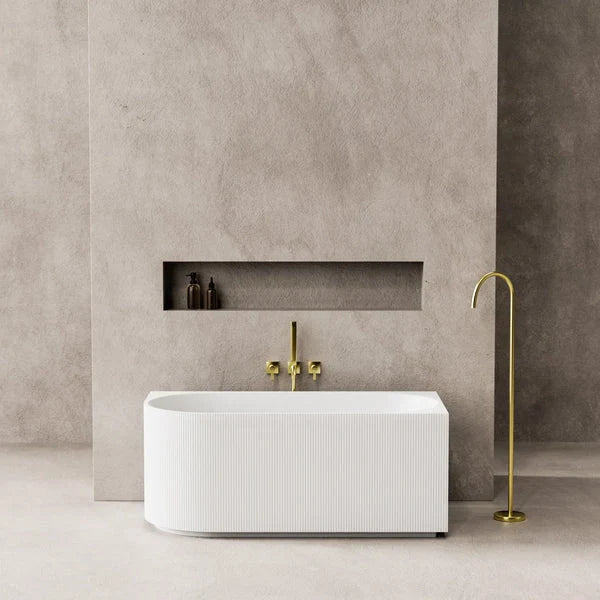
Installing a new bathtub can be one of the most rewarding upgrades in a bathroom renovation. A well-chosen bath can make the room feel more comfortable, more refined and more practical for everyday use. Whether you are replacing an old built-in bathtub, upgrading to a freestanding bath or redesigning the entire bathroom, the installation process needs careful planning from the beginning.
A bathtub is not just a decorative feature. It needs to be correctly positioned, properly supported, connected to plumbing and sealed to help prevent leaks. The right installation approach can improve comfort, protect the surrounding bathroom surfaces and help your new bath perform well over time.
This guide explains how to install a new bathtub, what to consider before installation and when professional help is needed. It is designed to help you understand the process before your renovation begins, so you can choose the right bathtub and prepare your bathroom with confidence.
Why Bathtub Installation Matters
A new bathtub can change the way your bathroom looks and functions, but only if it is installed correctly. A bath that is not level, poorly sealed or incorrectly connected to drainage can create ongoing problems long after the renovation is complete.
Poor installation may lead to water leaks, slow drainage, movement in the bath, damaged tiles, mould growth or costly repair work. These issues are often difficult to fix once the bathroom has been finished, which is why preparation is so important.
The installation process also depends on the type of bathtub you choose. A freestanding bathtub, back to wall bathtub, corner bath and built-in bath all have different requirements. The position of the waste, the tapware location, the finished floor and the surrounding walls can all influence how the bath should be installed.
Choose the Right Bathtub Before Installation
Before looking at how to install a new bathtub, it is important to choose a bath that suits your bathroom layout. The size, shape and installation style will affect the amount of preparation required.
Freestanding bathtubs are popular for modern bathrooms because they create a strong visual feature. They work best when there is enough space around the bath to make the design feel intentional and allow for cleaning. A freestanding bath may also require floor mounted or wall mounted tapware, depending on the layout.
Back to wall bathtubs are a practical option when you want a clean modern look but need to save space. They sit against the wall, which can make them easier to position in smaller bathrooms while still giving the appearance of a freestanding bath.
Corner bathtubs are designed to make use of bathroom corners and can work well in compact spaces or family bathrooms. Built-in bathtubs, on the other hand, are usually installed into a framed or tiled surround and may require more construction, waterproofing and finishing work.
When choosing a bathtub, always check the product measurements, waste position, material, weight and recommended installation method before ordering.
Check Your Bathroom Layout
Accurate measurement is one of the most important steps before bathtub installation. Even a small measurement mistake can affect plumbing alignment, floor clearance or access around the bath.
Start by measuring the available bathroom space, including the length and width of the room, the existing bath area, the door opening and the position of nearby fixtures such as the vanity, toilet and shower. If you are choosing a large freestanding bath, also check whether it can be carried through hallways, doorways or stairs before delivery.
The drain location should be checked early. If the new bathtub waste lines up with the existing plumbing, the installation may be more straightforward. If the waste position is different, a licensed plumber may need to adjust the drainage.
Tapware placement is also important. A bath spout needs to reach comfortably into the bath without splashing or interfering with the user. For freestanding baths, floor mounted bath fillers are often used, while wall mounted tapware may be suitable for back to wall and built-in designs.
Prepare the Bathroom Area
If you are replacing an existing bathtub, the old bath must be removed before the new one can be installed. This may involve disconnecting plumbing, removing sealant, lifting surrounding tiles or dismantling a bath frame.
Once the old bath has been removed, the bathroom area should be carefully inspected. This is the ideal time to check for hidden leaks, water damage, mould, damaged flooring or old pipework. These issues should be repaired before the new bath is installed.
The floor must be stable and level. A bathtub holds a large amount of water and carries significant weight when in use, so it needs proper support. Any uneven surface should be corrected before the bath is positioned.
For freestanding bathtubs, the finished floor is usually visible around the bath, so tiling or flooring often needs to be completed before the bath is placed. For built-in bathtubs, framing, waterproofing and tile preparation may be required before final installation.
Position the New Bathtub
Before making permanent connections, the bathtub should be placed in position to confirm the fit. This helps check the overall layout, drain alignment and clearance around the bath.
The bath should sit level and stable. If it rocks, tilts or feels unsupported, adjustments will be needed before installation continues. Many bathtubs include adjustable feet, but the exact setup depends on the product type and manufacturer instructions.
At this stage, it is also important to stand back and assess the look of the room. The bath should feel balanced within the space and should not crowd the vanity, toilet, shower or doorway. If it is a freestanding bath, there should be enough room around it for cleaning and comfortable access.
Connect the Waste and Plumbing
The waste connection is a critical part of bathtub installation. The bath waste must connect securely to the drainage system and allow water to flow away properly. If the connection is poorly fitted, leaks or drainage problems can occur.
This part of the installation should be handled by a licensed plumber. The plumber will check the waste outlet, trap, pipework and connection points before testing the drainage.
Tapware installation should also be completed carefully. The correct method depends on whether you are using wall mounted taps, a floor mounted bath filler, hob mounted taps or a bath shower mixer. The plumber will need to ensure the hot and cold water connections are suitable and that the tapware is compatible with the chosen bath.
Level and Secure the Bathtub
Once the plumbing position is confirmed, the bathtub needs to be levelled and secured according to the manufacturer’s instructions. A level bath helps water drain correctly and prevents unnecessary movement during use.
For freestanding bathtubs, the base should sit firmly on the floor. For back to wall and built-in bathtubs, the edges and surrounding surfaces may also need to be aligned carefully before sealing or tiling.
The bath should feel stable before any finishing work begins. If movement is noticed after the bathroom is complete, it can damage sealant, tiles or plumbing connections over time.
Complete Waterproofing and Sealing
Waterproofing is one of the most important parts of any bathroom project. The exact waterproofing requirements will depend on the bathtub type, bathroom layout and surrounding wet areas.
Built-in bathtubs usually require more integrated waterproofing because they sit within a frame or tiled surround. Back to wall bathtubs also need careful sealing where the bath meets the wall. Freestanding bathtubs still require properly waterproofed floors and surrounding areas, especially where water may splash during use.
Once the bathtub is correctly positioned, bathroom-grade silicone is used to seal the necessary edges and junctions. The sealant should be applied cleanly and allowed to cure before the bath is used.
Test the Bathtub Before Use
Before the installation is considered complete, the bathtub should be tested. This step helps identify leaks, drainage problems or movement before the bathroom is used regularly.
The plumber or installer will usually run water through the tapware, partially fill the bath and check the waste connection. If the bathtub includes an overflow, this should also be tested. The area around and beneath the bath should be inspected for any signs of leaking.
The bath should drain smoothly and remain stable when filled. Any issue should be fixed before the final clean and handover.
Common Mistakes to Avoid
One of the most common mistakes is choosing a bathtub before checking the bathroom measurements properly. A bath that looks perfect online may feel too large once installed, especially in a smaller bathroom.
Another common issue is ignoring the drain position. If the new bath does not align with the existing waste, plumbing changes may be required. This is not necessarily a problem, but it should be planned before installation begins.
Poor waterproofing is another serious mistake. Water can cause major damage if it enters walls, floors or hidden cavities. Always make sure waterproofing and sealing are handled correctly.
It is also important not to attempt regulated plumbing work without the right qualifications. Bathtub installation involves water supply and drainage connections, so professional plumbing support is usually required.
Can You Install a Bathtub Yourself?
Some parts of the planning process can be handled by homeowners, such as measuring the space, choosing the bathtub, checking product specifications and preparing the room for trades.
However, the plumbing, drainage, waterproofing and final connection work should be completed by qualified professionals. This helps reduce the risk of leaks, water damage and compliance issues.
If you are confident with renovation planning, you can still play an active role by choosing the right bath, confirming the layout, coordinating delivery and making sure the product specifications are available for your plumber or installer.
How to Choose the Best Bathtub for Your Bathroom
The best bathtub depends on your bathroom size, style and how the space will be used. For a small bathroom, a back to wall or corner bathtub may be more practical because it uses space efficiently. For a larger ensuite, a freestanding bathtub can become a beautiful focal point.
Family bathrooms often need durable, easy-clean bathtubs with comfortable access. Modern bathrooms may suit clean-lined baths in white, matte white or matte black finishes. Luxury bathrooms may benefit from deeper soaking tubs, sculptural shapes or floor mounted bath fillers.
Before making a final decision, consider comfort, cleaning access, water usage, tapware placement and long-term maintenance. A bath should look good, but it should also feel practical for everyday use.
Bathtub Maintenance After Installation
Once your new bathtub is installed, regular care will help keep it looking good and performing well. Rinse the bath after use, wipe away soap residue and avoid abrasive cleaners that may damage the surface.
Check the silicone joints regularly, especially where the bath meets the wall or surrounding tiles. If the sealant begins to crack, lift or discolour, it may need to be replaced.
The waste should also be kept clear of hair and debris to help prevent slow drainage. If you notice water draining slowly, address the issue early rather than waiting for a blockage to develop.
Always follow the care instructions for your specific bathtub material, as acrylic, solid surface and other finishes may have different cleaning requirements.
Key Takeaways
Installing a new bathtub requires more than simply placing the bath in position. The bathroom must be measured properly, the plumbing must be checked, the bath must be level and the surrounding surfaces must be waterproofed and sealed correctly.
The type of bathtub you choose will influence the installation process. Freestanding, back to wall, corner and built-in bathtubs all have different requirements, so it is important to review the product specifications before work begins.
Professional support is recommended for plumbing, drainage, waterproofing and final testing. This helps protect your bathroom from leaks and ensures the finished installation is safe, practical and long lasting.
FAQ
How do you install a new bathtub?
Installing a new bathtub usually involves removing the old bath, preparing the bathroom area, checking the drain and tapware locations, positioning the new bath, connecting the waste and plumbing, levelling the bath, sealing the edges and testing for leaks.
Do I need a plumber to install a bathtub?
Yes, a plumber is usually needed because bathtub installation involves water supply and drainage connections. If the waste, pipework or tapware position needs to be changed, licensed plumbing work is especially important.
Can I replace a bathtub myself?
You may be able to complete some preparation tasks yourself, such as measuring and choosing the bathtub. However, plumbing, waterproofing and final installation should be handled by qualified trades to reduce the risk of leaks and compliance issues.
What is the best bathtub for a small bathroom?
Back to wall and corner bathtubs are often practical choices for smaller bathrooms because they save space while still providing comfort. Some compact freestanding baths may also work if there is enough clearance.
How do I prevent leaks around a bathtub?
Leaks can be reduced by using correct plumbing connections, proper waterproofing, suitable bathroom-grade sealant and careful final testing before the bath is used.
Conclusion
Learning how to install a new bathtub helps you understand what is involved before starting your bathroom renovation. From choosing the right bath to checking the plumbing, preparing the area, sealing the edges and testing for leaks, each step plays an important role in the final result.
For most homeowners, the best approach is to select a bathtub that suits the room, review the specifications carefully and work with qualified professionals for the installation. This helps ensure the bath is safe, comfortable and built to perform over time.
Luxern Home offers a curated range of bathtubs for Australian bathrooms, including freestanding bathtubs, back to wall bathtubs and corner bathtubs. Explore the collection online to find a bath that suits your layout, renovation goals and personal style.
Share: