
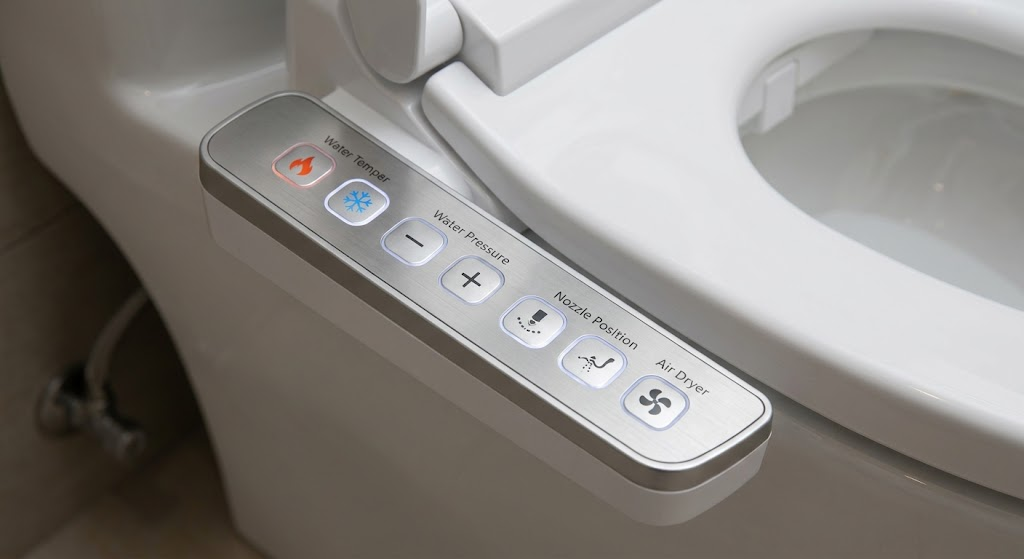
If you grew up exclusively using dry toilet paper, facing a bidet for the first time can feel like staring at the dashboard of a spaceship. You want to be cleaner, but the fear of an accidental blast of ice-cold water or worse, a bathroom floor flood is enough to make anyone hesitate.
Learning how to use a bidet is a simple skill that transforms your daily personal hygiene. Once you understand the basic mechanics, you will wonder how you ever lived without one. This guide will walk you through every step, from identifying the fixtures to drying off, so you can approach any bidet with complete confidence.
Understanding the Main Types of Bidets
Before you touch any dials or handles, you need to know what kind of bidet you are dealing with. While they all serve the same fundamental purpose, using water to wash your sensitive areas after using the bathroom, their designs and operating methods vary significantly.
Bidet Type |
Main Features |
How It Works |
Standalone |
Separate basin beside toilet |
Uses dedicated taps |
Electric / Smart |
Heated seat, warm water, dryer |
Controlled by remote or panel |
Non-Electric |
Simple attachment |
Uses household water pressure |
Standalone Ceramic Bidets
Popular across Europe and South America, a standalone bidet is a separate porcelain fixture sitting directly next to the toilet. It resembles a large, low-sink or a toilet without a lid. These fixtures feature dedicated hot and cold water faucets and a drain at the bottom, functioning much like a washbasin specifically contoured for your lower body.
Electric Bidet Toilet Seats and Smart Toilets
Common in Japan and growing rapidly in popularity worldwide, electric bidets replace your existing toilet seat or come fully integrated into a high-tech toilet bowl. These modern marvels require a wall outlet and offer endless customization: heated seats, instant warm water, oscillating nozzles, and built-in air dryers. You control them using a side panel attached to the seat or a wireless remote mounted on the wall.
Non-Electric Bidet Attachments
An affordable and popular gateway into the bidet world, non-electric attachments install directly beneath your existing toilet seat. They connect to your bathroom’s clean water supply valve and rely strictly on household water pressure to operate. Controlled by a simple dial or lever near your right hip, these units are straightforward, durable, and highly effective, though they typically offer ambient-temperature water.
Handheld Bidet Sprayers
Often referred to as a "bidet shower" or "shattaf," this fixture consists of a spray nozzle attached to a flexible hose, mounted on the wall near the toilet bowl. Widely used across Asia and the Middle East, it functions similarly to a kitchen sink sprayer. You control the flow manually by squeezing a trigger lever on the wand.
Step 1: Use the Toilet First
A bidet is designed for cleansing, not waste disposal. Always use the main toilet bowl to relieve yourself completely before transitioning to or activating the bidet.
Think of the bidet as the shower that follows a workout, it is there to wash away residue, not to handle the heavy lifting. If you are using a non-electric attachment, an electric seat, or a handheld sprayer, you will remain seated right where you are. If you are using a traditional standalone bidet, wipe once with toilet paper to remove any excess solid waste before moving over to the porcelain basin.
Step 2: Position Yourself Correctly
Getting into the right position ensures the water goes precisely where it needs to without spraying outside the bowl or soaking your clothes.
Wash Position |
Purpose |
Direction |
Rear Wash |
Defecation cleansing |
Front → Back |
Front Wash |
Feminine cleansing |
Back → Front |
Sitting on Standalone Bidets
With a standalone bidet, you must physically move from the toilet to the bidet basin. You can face toward the water faucets or face away from them, like sitting on a standard toilet.
Facing the faucets gives you finer control over the temperature knobs and flow rate, and it makes targeted cleansing easier. Straddle the basin, lower yourself slowly, and adjust your posture so your body sits directly over the water path.
Positioning on Seats, Attachments, and Smart Toilets
For seats, attachments, and integrated smart toilets, you remain in the toilet bowl. Sit all the way back on the seat so your weight rests firmly on the sensor (if using an electric model). Lean slightly forward at your hips, resting your elbows near your knees. This slight angle opens up your body posture, allowing the targeted water stream to reach the rear area effortlessly without requiring awkward contortions.
Step 3: Adjust the Controls Gradually
The cardinal rule of using any bidet is simple: start slow and gentle. Firing up a bidet on full blast without testing the settings is a mistake you only make once.
Managing Water Temperature and Pressure
If your unit is electric, select your preferred water temperature setting on the remote control before initiating the spray. If you are using a standalone basin, turn on the warm valve first, adjust with cold water until comfortable, and close the drain stopper or redirect the stream.
For non-electric dials, slowly turn the dial from the off position until you feel the water pressure engage. Increase the force incrementally until it feels like a firm, comfortable rinse, never a sharp or painful jet.
Aiming and Adjusting the Nozzle Position
Modern electric bidets allow you to adjust the nozzle position forward or backward using arrows on the remote. For mechanical attachments or standalone units without adjustable wands, simply shift your weight slightly on the seat. Move your hips forward, backward, or side-to-side to direct the stream precisely where you need it.
Many electric models offer a "Rear Wash" for standard post-bowel-movement cleaning and a softer "Front Wash" (often labeled feminine wash) designed for vaginal hygiene.
Step 4: Use a Handheld Sprayer Correctly (If Applicable)

A close-up view showing a hand manually adjusting the simple pressure dial on a non-electric bidet attachment.
Handheld sprayers offer total manual control, but they require a steady hand and proper technique to prevent splashing.
Hold the sprayer wand firmly in your dominant hand. Before bringing it near your body, aim the head down into the center of the toilet bowl and gently squeeze the trigger lever to gauge the water pressure. Adjust the main shut-off valve on the wall T-adapter if the pressure feels too aggressive.

A handheld chrome bidet sprayer wand in action, controlled by a manual trigger, with the water stream angled into the toilet bowl.
Once you have verified a gentle flow, reach around your back or lower the nozzle through the front gap between your legs, angling the head upward toward the area you wish to clean. Squeeze the handle incrementally, sweeping the stream in smooth, deliberate movements. Keep your free hand clear of the spray area, and always keep the spray head tucked inside the rim of the bowl to contain all water droplets.
Step 5: Clean the Area Thoroughly

A user, seated comfortably on an electric bidet, presses a button (like the 'wave' icon shown here) to activate advanced cleaning functions like oscillation.
Allow the water stream to do the work for you. Let the gentle pressure wash away residue for fifteen to thirty seconds.
For electric models equipped with an oscillating feature, activate it to move the spray nozzle back and forth automatically, covering a wider surface area. If your bidet lacks this feature, slowly rock your hips in small circles to ensure complete coverage.
When using a standalone bidet, you can use your clean hands with a small amount of mild, unscented soap to wash the area directly, rinsing away the suds with the running stream before shutting off the faucets.
Step 6: Dry Off Properly

A user's hand, seen from the established environment, reaches for a fresh, dedicated bidet towel to pat dry after cleaning.
Once the water stops running, you will be clean, but you will also be wet. Drying off effectively completes the process.
Drying Method |
Benefits |
Notes |
Built-In Air Dryer |
Hands-free, warm airflow |
Usually takes 1–2 minutes |
Toilet Paper / Bidet Towel |
Fast and convenient |
Pat rather than rub |
Using the Built-In Air Dryer
If you are using a high-end electric seat or smart toilet, press the "Dryer" button on your remote. A small vent will open, blowing a stream of warm air over your lower body. Remain seated and let the dryer run its standard cycle, which usually lasts between one and two minutes. You can shift your weight occasionally to help the warm air evaporate moisture evenly.
Using Toilet Paper or Towels
If your bidet does not have a warm air dryer, or if you are in a rush, use standard toilet paper or a dedicated bidet towel. Because you are already completely clean, you only need toilet paper to absorb water, not to scrape residue away.
Take a small square of toilet paper, fold it thick, and gently pat the area dry—do not wipe back and forth, or the wet paper will tear and pill on your skin. Alternatively, many households keep a stack of small, reusable washcloths exclusively for patting dry after bidet use, tossing them directly into a laundry hamper afterward.
Step 7: Clean Up and Wash Your Hands
Finish the process by leaving the bathroom space pristine for the next person.
If you use a standalone ceramic bidet, open the drain, rinse the basin walls with fresh water from the tap to remove any stray soap suds, and turn off the fixtures tightly. If you use a handheld sprayer, release the trigger, wipe the wand down if necessary, return it to its wall holster, and shut off the main T-valve lever to prevent pressure buildup in the hose overnight.
Step over to your bathroom sink and wash your hands thoroughly with warm water and soap for at least twenty seconds, drying them on a hand towel.
Essential Tips for First-Time Bidet Users
Entering the world of water-based hygiene is easy once you build muscle memory, but keeping these three fundamental rules in mind will keep your experience safe, comfortable, and stress-free.
Beginner Rule |
Guidance |
Start Low |
Always set dials to minimum pressure first |
Test Temp |
Feel water with your hand before full use |
Keep Clean |
Periodically sanitise nozzles and controls |
Start with the Lowest Water Pressure
High water pressure can cause discomfort, surprise, or an unwanted mess. Always verify that the control knob or slider is dialed down to its absolute lowest setting before pressing start or squeezing a trigger. You can always dial the intensity up to match your personal preference, but starting low prevents startling surprises.
Check the Water Temperature Before Full Use
If you are using a non-electric bidet during winter, the ambient water sitting in your household pipes will feel extremely cold. Brace yourself for a crisp rinse, or let the unit run for a few seconds into the bowl to reach room temperature if it features a nozzle-cleaning setting. For standalone units or manual mixing valves, test the water stream with your fingertips first to ensure it is comfortably warm, never scalding hot.
Maintain Proper Hygiene and Bidet Care
A bidet stays clean only if you care for it properly. Modern electric bidets self-rinse their nozzles with fresh water before and after every single use, but they still benefit from a manual deep clean. Once a month, extend the bidet nozzle manually and scrub it gently with a soft toothbrush and mild vinegar solution. Ensure handheld sprayers are stored off the floor, and sanitize control panels regularly with antibacterial wipes to keep your bathroom hygienic.
Share: